
FOMO in Investing: How to Avoid Costly Decisions
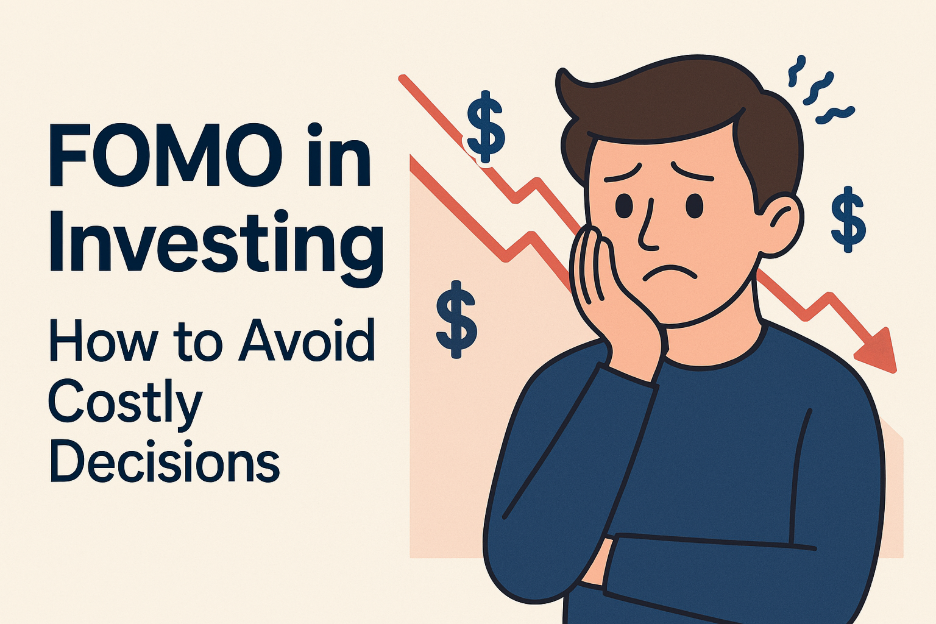
In recent years, the investment landscape has transformed dramatically. With demat accounts crossing record numbers, a rising middle class participating in the markets, and easy access to financial content through social media, investing has become more democratic than ever. But with this growth has come a very real behavioural risk that affects both new and experienced investors. It is the fear of missing out, better known as FOMO.
FOMO is not new. It is rooted in human psychology. However, the speed of information today and the noise created by social platforms have amplified its impact. Every day, investors scroll past stories of individuals who seemingly made a fortune from a particular stock or cryptocurrency or IPO. Many feel compelled to act immediately, often without adequate research or planning.
Understanding the influence of FOMO and learning how to control it has become essential for anyone who wants to build long term wealth.
Why FOMO Happens in Investing
FOMO strikes when investors believe others are gaining while they are being left behind. This belief often triggers impulsive decisions. Several factors contribute to FOMO in Indian markets.
1. Social Proof
Humans naturally look at what others are doing to guide their actions. When everyone around seems to be making money from a trending stock or sector, it creates a sense of urgency. In India, the rise of financial influencers has increased this effect. While many offer good insights, others might unintentionally spotlight trends that create herd behaviour.
2. Recency Bias
Investors give more weight to recent events compared to long term trends. If a stock has risen sharply in the last week, many assume it will continue rising. This mindset pushes people to buy at inflated prices.
3. Media Amplification
Financial news channels, YouTube commentary and WhatsApp forwards often spotlight big gainers. Even if the coverage is factual, constant repetition creates the illusion that everyone is benefiting except you.
4. Emotional Reward
The idea of making quick profits provides an emotional high. The combination of excitement, anticipation and the hope of success influences decision making more than logical analysis.
The Cost of FOMO Driven Decisions
Acting under FOMO frequently leads to negative outcomes.
Buying at the Peak
Many investors jump into hot stocks only after they have risen significantly. When the price corrects, which often happens after a steep rise, they face losses. The Indian markets repeatedly show this pattern during rallies in sectors like IT, pharma or new age tech companies.
Increased Trading and Higher Costs
FOMO encourages frequent buying and selling. More activity means higher brokerage charges, taxes and slippage. Over time, these expenses quietly eat into returns.
Emotional Stress
Constantly chasing trends leads to anxiety and frustration. Investors who fall into FOMO cycles rarely feel satisfied because there is always another opportunity elsewhere.
Loss of Long Term Focus
When decisions are driven by hype rather than strategy, long term compounding gets disrupted. Many investors who panic during corrections end up selling good stocks and holding speculative ones.
Indicators That You Are Investing Under FOMO
Self awareness helps investors step back before making emotional decisions. You may be acting under FOMO if:
- You are buying something simply because it is trending everywhere.
- You feel stressed that you will lose a chance if you do not act immediately.
- You are influenced more by others’ profits than your own financial plan.
- You enter an investment without understanding the business model or risks.
- You keep checking prices more frequently than usual.
If any of these feel familiar, it is a signal to reassess.
How to Manage and Avoid FOMO
FOMO cannot be eliminated completely since it is part of human nature. But it can be managed through discipline and a structured approach.
1. Build a Personal Investment Plan
A clear plan acts as a filter for decision making. Define:
- Your long term goals
- Risk tolerance
- Time horizon
- Investment strategy
When an exciting trend appears, revisit your plan and ask if the new opportunity fits into it. If it does not, it is easier to walk away.
2. Focus on Asset Allocation
Diversification across equity, debt, gold and other instruments spreads risk and reduces the emotional need to chase returns. Following a well balanced asset allocation strategy also ensures steady long term growth.
3. Adopt a Research Driven Mindset
Before investing, spend time understanding the business, valuation, competitive landscape and risks. When your decisions are based on research, outside noise loses its power.
4. Practice Systematic Investing
SIPs help reduce emotional decision making. You invest consistently regardless of market conditions, which smooths out volatility and prevents panic buying or selling.
5. Set Rules for Trend Based Investing
If you want to participate in themes or momentum plays, create boundaries in advance. For example, limit the capital allocated to high risk opportunities to 5 or 10 percent of your portfolio. This keeps FOMO from overwhelming your core strategy.
6. Create a Cooling Off Period
If you feel tempted to buy something impulsively, give yourself 24 to 48 hours before acting. This short pause often brings clarity and prevents emotional decisions.
7. Reduce Noise Exposure
Following too many financial influencers or checking the markets excessively increases anxiety. Curate your information sources and focus only on credible, balanced insights.
8. Accept That You Will Miss Some Opportunities
It is impossible to catch every rally. Missing out is normal. The Indian market offers thousands of opportunities over time. What matters most is consistent discipline, not chasing every spike.
Building a FOMO Resistant Portfolio
A stable, long term portfolio gradually reduces the urge to chase trends. Consider these elements:
- Quality stocks with strong fundamentals and robust earnings.
- Mutual funds or index funds that offer diversification.
- Debt instruments for stability and predictable returns.
- Gold or other hedges for protection during volatility.
When your core portfolio is strong, you become less vulnerable to hype.
Conclusion: The Power of Staying Grounded
FOMO in investing is a natural human experience, especially in a fast growing market like India. The challenge is not the presence of FOMO, but how we respond to it. Investors who remain patient, focus on learning, and follow a structured plan are far more likely to achieve sustainable wealth creation.
The market rewards discipline over excitement. It rewards those who understand that long term success comes from consistent habits rather than chasing quick wins.
If you can master your emotions, you can master your investments.