
How to Automate Savings and Investments: A Practical Guide
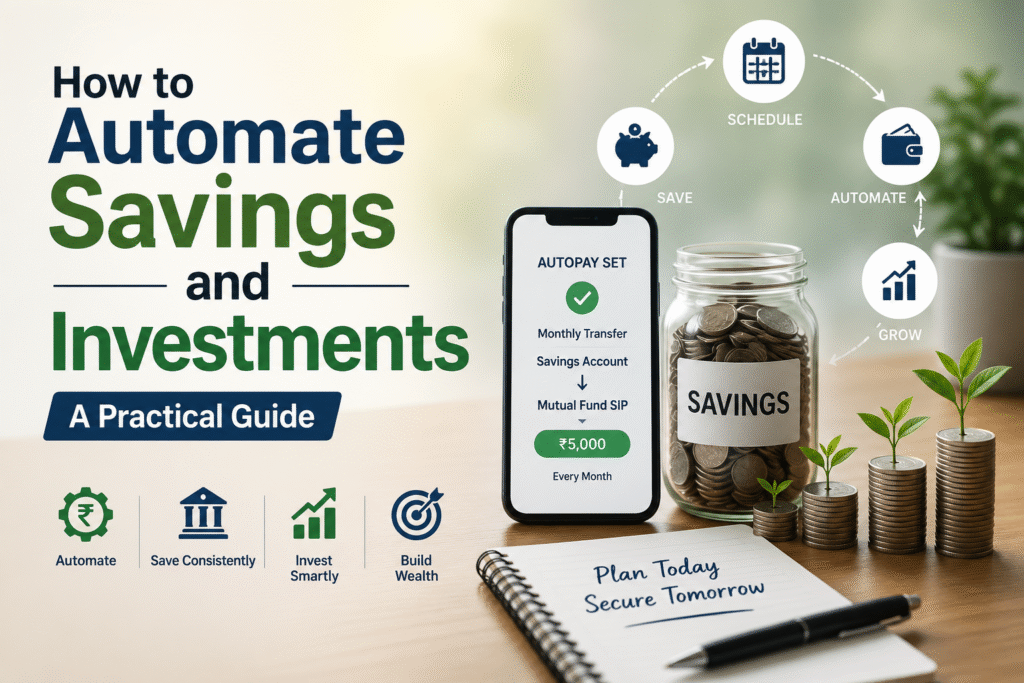
Managing money effectively is essential for financial security and growth. Yet, many people struggle to save consistently or invest wisely because life gets busy and manual processes often lead to missed opportunities. The good news is that automation can make this easier, ensuring your financial goals are met without constant effort.
In this article, we’ll explore why automation matters, how to set it up, and share real-world examples.
Why Automate Savings and Investments?
Automation removes the friction between intention and action. When you rely on manual transfers or reminders, it’s easy to postpone or forget. Automated systems ensure that your money moves toward your goals without requiring daily decisions.
Benefits include:
- Consistency: Regular contributions build wealth over time.
- Reduced Stress: No need to remember dates or amounts.
- Better Financial Discipline: You save before spending, not after.
- Compounding Advantage: Early and consistent investments grow faster.
Step 1: Automate Savings
Start by setting up an automatic transfer from your salary account to a dedicated savings account. This should happen immediately after your salary is credited.
Example: Salary-Based Automation
Imagine you earn ₹60,000 per month. You decide to save 20% (₹12,000). Instead of waiting until the end of the month, you schedule an automatic transfer on payday. This way, you “pay yourself first,” and the temptation to spend that money disappears.
Tools to Use:
- Most Indian banks offer Standing Instructions or Scheduled Transfers.
- Apps like ET Money, Groww, or your bank’s mobile app can help.
Step 2: Automate Investments
Once savings are automated, the next step is investing. Investments should align with your goals—retirement, buying a home, or building wealth.
Example: SIP in Mutual Funds
Suppose you want to invest ₹5,000 monthly in a mutual fund. You can set up a Systematic Investment Plan (SIP) through platforms like Groww, ET Money, or Paytm Money. The amount will be deducted automatically on a fixed date.
Why SIP Works:
- It leverages Rupee-Cost Averaging, reducing risk by buying at different market levels.
- It builds discipline without emotional decision-making.
Step 3: Use Technology for Smart Automation
Modern tools allow you to go beyond basic transfers. Here are some advanced options:
- Robo-Advisors: Platforms like INDmoney or ET Money automatically allocate your money into diversified portfolios based on your risk profile.
- Round-Up Apps: Apps like JAR round up your purchases and invest the spare change in digital gold.
- Employer Programs: Many companies offer automated contributions to EPF (Employees’ Provident Fund) or NPS (National Pension System).
Example: Round-Up Investing
If you buy coffee for ₹180, the app rounds it up to ₹200 and invests ₹20 in digital gold. Over time, these small amounts add up significantly.
Step 4: Automate Goal-Based Savings
Automation can also help you save for specific goals like vacations, emergency funds, or education.
Example: Emergency Fund
You decide to build an emergency fund of ₹1,50,000. You set up an automatic transfer of ₹7,500 every month into a separate account labeled “Emergency Fund.” In 20 months, you reach your goal without stress.
Best Practices for Automation
- Start Small: Begin with manageable amounts and increase gradually.
- Review Periodically: Automation doesn’t mean ignoring your finances. Check progress quarterly.
- Separate Accounts: Keep savings and investments separate from your spending account.
- Leverage Employer Benefits: If your employer matches EPF or NPS contributions, automate that first.
- Stay Flexible: Life changes—adjust your automation when needed.
Real-Time Success Story
Consider Ravi, a software engineer earning ₹80,000 monthly. He automated:
- ₹16,000 to a savings account.
- ₹5,000 to a mutual fund SIP.
- ₹500 via a round-up app.
After two years:
- Savings: ₹3,84,000
- Investments: ₹1,20,000 (plus market gains)
- Round-Up: ₹12,000
Without automation, Ravi admits he would have saved far less due to impulse spending.
Final Thoughts
Automation is not about removing control—it’s about creating a system that works for you. By automating savings and investments, you ensure that your financial goals are met consistently, even when life gets busy.
Start today. Set up one automated transfer or investment. Over time, these small steps will lead to big results.