
Budgeting Hacks: How to Track and Control Your Expenses
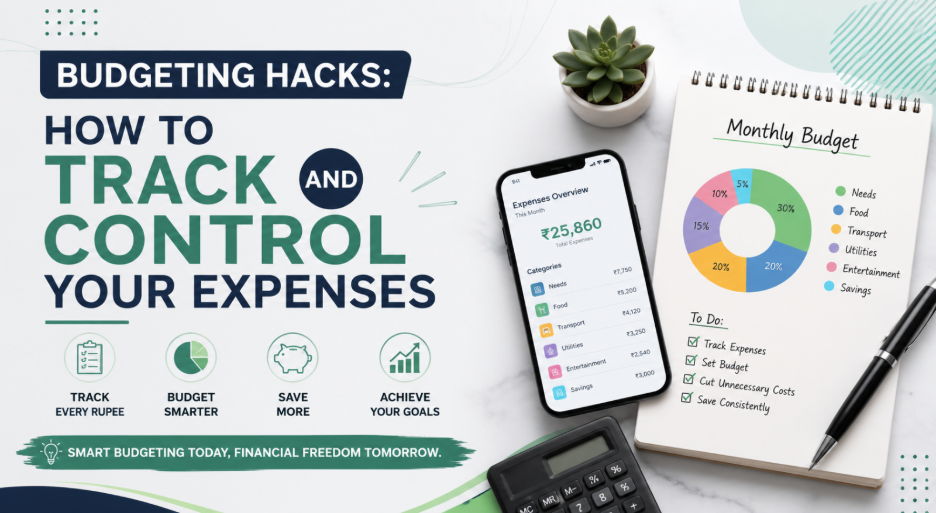
Managing your money effectively is one of the most important life skills, yet many people struggle to keep track of their spending. Without a clear plan, it’s easy to overspend and wonder where your paycheck disappeared. The good news is that budgeting doesn’t have to be complicated. With the right strategies and tools, you can take control of your expenses and build a strong financial foundation.
Why Budgeting Matters
Budgeting is more than just cutting costs. It’s about creating a roadmap for your money so you can make informed decisions. A well-structured budget helps you:
- Understand where your money goes each month
- Avoid unnecessary debt
- Save for short-term and long-term goals
- Reduce financial stress and gain peace of mind
When you know exactly how much you earn and spend, you can prioritize what truly matters and eliminate wasteful habits.
Top Budgeting Hacks to Stay on Track
1. Apply the 50/30/20 Rule
This simple framework divides your income into three categories:
- 50% for needs: Rent, utilities, groceries, transportation
- 30% for wants: Dining out, entertainment, hobbies
- 20% for savings or debt repayment: Emergency fund, investments, loan payments
This rule keeps your spending balanced and ensures you’re saving consistently.
2. Track Every Expense
Small purchases add up quickly. Whether it’s a coffee or a streaming subscription, record every transaction. Use budgeting apps like Mint, YNAB (You Need A Budget), or even a simple spreadsheet. Tracking expenses gives you visibility and helps identify areas where you can cut back.
3. Automate Your Savings
One of the easiest ways to save is to make it automatic. Set up recurring transfers to your savings account right after payday. Treat savings like a fixed expense, not an afterthought. Over time, these small automated contributions grow into a significant safety net.
4. Review and Adjust Monthly
Your budget should evolve with your life. Review your spending at the end of each month and make adjustments for upcoming expenses. Did you overspend on dining out? Reduce entertainment next month. Regular reviews keep you accountable and flexible.
5. Cut Hidden Costs
Audit your subscriptions and recurring payments. Many people pay for services they no longer use. Cancel unused memberships and renegotiate bills where possible. Even small changes like switching to a lower mobile plan can save hundreds annually.
Tools That Make Budgeting Easier
- Budgeting Apps: Mint, YNAB, PocketGuard
- Expense Trackers: Excel or Google Sheets for manual control
- Bank Alerts: Enable notifications for transactions to stay informed in real time
These tools simplify the process and help you stick to your financial goals without feeling overwhelmed.
Common Budgeting Mistakes to Avoid
- Ignoring irregular expenses: Annual insurance premiums or holiday shopping can derail your budget if not planned.
- Setting unrealistic goals: Start small. Aim to save 10% before jumping to 20%.
- Not tracking cash spending: Digital tools are great, but cash transactions need manual logging.
Final Thoughts
Budgeting is not about restriction; it’s about empowerment. By tracking and controlling your expenses, you gain the freedom to make informed financial decisions and work toward your goals with confidence. Start today with one simple step—track your spending for a week. You’ll be surprised at how much clarity it brings.