
Debt vs Investment: Which Should You Prioritize First?
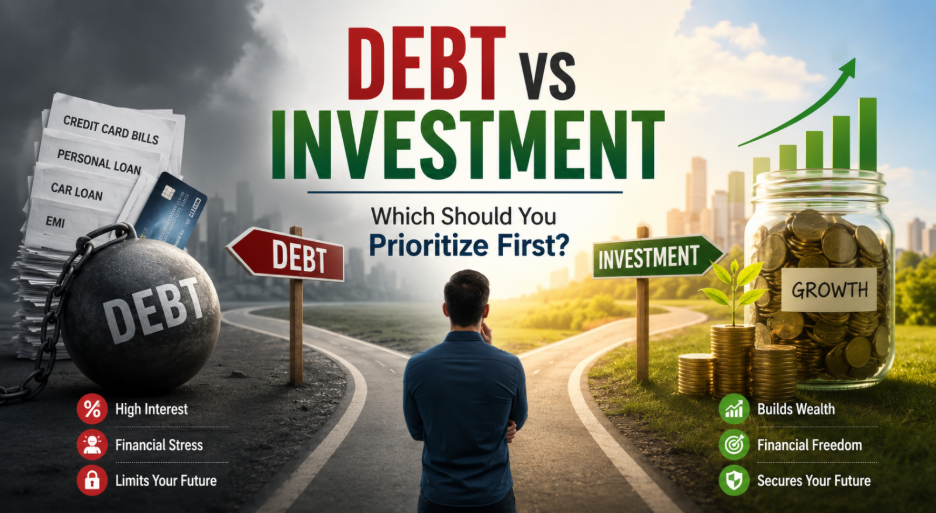
Managing personal finances often comes down to making tough choices. One of the most common dilemmas individuals face is whether to pay off debt first or start investing early. Both strategies have strong arguments, and the right decision depends on your financial situation, goals, and risk tolerance.
In this article, we will break down the factors that influence this decision, compare the pros and cons of each approach, and provide practical steps to help you strike the right balance.
Why This Question Matters
Debt and investment are two sides of the financial coin. Debt represents money you owe, often with interest, while investment is about growing your wealth over time. Choosing between them is not just a mathematical decision; it impacts your financial security, mental peace, and long-term wealth creation.
Understanding the Cost of Debt
Before deciding, you need to understand the interest rate on your debt. High-interest debts like credit cards (often 30% or more annually) can quickly spiral out of control. Even personal loans can carry rates between 10% and 18%.
Compare this with the average return on investments. For example, equity mutual funds in India historically deliver around 10% to 12% annually over the long term. If your debt costs you more than what you can realistically earn from investments, paying off debt first is usually the smarter move.
Key takeaway: If your debt interest rate is higher than your expected investment return, prioritize clearing debt.
The Power of Early Investing
On the other hand, investing early gives you the advantage of compounding. Even small amounts invested consistently can grow significantly over time. For example, investing ₹5,000 per month at an average return of 12% for 20 years can grow to over ₹50 lakh.
Delaying investments to clear debt might mean losing valuable years of compounding. This is why many financial advisors recommend starting investments as soon as possible, even if it’s a small amount.
Factors to Consider Before Deciding
- Type of Debt
- High-interest debt (credit cards, payday loans): Pay off immediately.
- Low-interest debt (home loans, education loans): Can be managed alongside investments.
- Emergency Fund
Before investing or aggressively paying off debt, ensure you have an emergency fund covering at least 3–6 months of expenses. This prevents you from falling back into debt during unexpected situations.
- Cash Flow and Budget
Analyze your monthly income and expenses. If you have surplus cash, you can split it between debt repayment and investments.
- Tax Benefits
Some loans, like home loans and education loans, offer tax deductions. Similarly, certain investments like ELSS mutual funds provide tax benefits under Section 80C. Factor these into your decision.
Pros and Cons of Each Approach
Paying Off Debt First
Pros:
- Immediate reduction in financial stress.
- Guaranteed return (saving interest cost).
- Improves credit score.
Cons:
- Delays wealth creation.
- Misses out on compounding benefits.
Investing First
Pros:
- Starts compounding early.
- Builds financial discipline.
- Creates a sense of progress toward goals.
Cons:
- Debt continues to accumulate interest.
- Risk of investments underperforming.
Balanced Approach: The Best of Both Worlds
For most people, the ideal strategy is a hybrid approach:
- Pay off high-interest debt aggressively.
- Continue minimum payments on low-interest debt.
- Start small investments (like SIPs in mutual funds) alongside debt repayment.
This way, you reduce costly debt while still taking advantage of compounding.
Practical Steps to Implement This Strategy
- List All Your Debts
Note down interest rates, outstanding amounts, and monthly obligations.
- Prioritize High-Interest Debt
Clear credit card dues and personal loans first.
- Start a Small SIP
Even ₹500–₹1,000 per month can make a difference over time.
- Automate Payments and Investments
Set up auto-debit for both debt repayment and SIPs to maintain consistency.
- Review Every 6 Months
Adjust your strategy as your income grows or debts reduce.
Final Thoughts
There is no one-size-fits-all answer to the debt vs investment question. If your debt carries high interest, clearing it should be your top priority. If your debt is manageable and you have a stable income, starting investments early can help you build wealth faster.
The key is balance. Financial freedom comes from managing both sides wisely, not ignoring one for the other.