
Digital Gold: Is It Worth Investing?
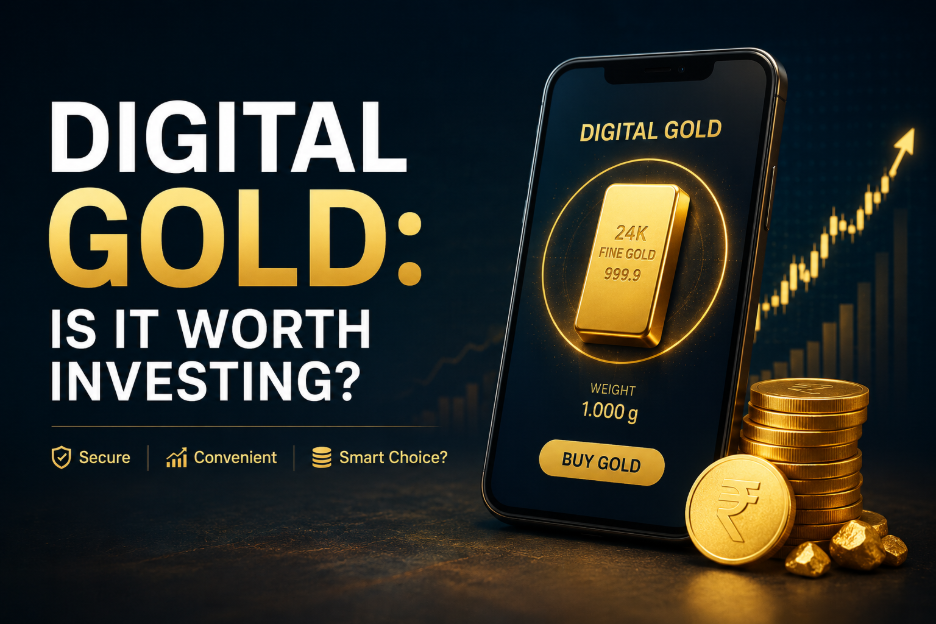
Digital Gold: Is It Worth Investing?
Gold has always been synonymous with wealth, stability, and security. For centuries, people have turned to physical gold whenever the economy looked shaky or inflation started creeping up. But now, in the digital era we’re living in, there’s a new way to invest in gold — digital gold. Unlike Bitcoin or other cryptocurrencies, digital gold is actually backed by real, physical gold that’s stored safely by a trusted custodian. You just buy it, hold it, and trade it online.
So what exactly is digital gold, and should you be putting your money into it? Let’s break it down.
What Is Digital Gold, Exactly?
In simple terms, digital gold lets you buy tiny fractions of physical gold without ever stepping into a jewellery store. When you buy digital gold, you’re not buying a “concept” — you actually own real gold that’s sitting in a vault somewhere, fully insured and regularly audited.
The best part? You don’t have to buy a full coin or bar and then figure out where to keep it safe. With digital gold, you can start with as little as one gram, or even less. That’s a pretty big deal if you’re someone who’s always wanted to invest in gold but never had the money to buy a full sovereign or bar.
How Does It Actually Work?
Here’s roughly how it plays out:
- You buy it online — through a payment app, a bank, or a platform that specializes in this.
- The gold gets stored in an insured vault, managed by a custodian you’re trusting with your money.
- You get a certificate (digital, obviously) that proves you own that gold.
- You sell it back or redeem it — either you cash out at market price, or in some cases you can actually ask for the physical gold to be delivered to you.
Basically, it’s physical gold’s safety mixed with the ease of doing everything from your phone.
Why Everyone’s Suddenly Talking About It
A few reasons this has caught on so fast:
It’s affordable. You don’t need a huge sum of money to get started — even a few hundred rupees can get you into the game. That’s huge for people who couldn’t afford gold otherwise.
It’s convenient. No standing in line at a jeweler, no bargaining, no worrying about where you’ll lock it up.
It’s liquid. You can sell it whenever you want, at whatever the market rate is. Try doing that with a gold necklace sitting in your locker — you’d need to find a buyer first, and haggle over the price too.
It’s transparent. Good platforms show you live prices tied to international gold rates, and your gold is verified by outside auditors, not just the company’s own word.
What’s Good About It
- You can own gold in small pieces, so purity and making charges aren’t even a concern.
- Storage is handled for you, and it’s insured.
- Gifting or transferring it to someone is simple.
- Markets for regular gold close, but digital gold doesn’t — you can buy or sell any time, day or night.
Where It Falls Short
It’s not all upside, though. A few things worth knowing before you dive in:
There’s not much regulation yet. In a lot of places, digital gold isn’t overseen by any financial regulator. That means if something goes wrong, you don’t have the same protections you’d get with, say, mutual funds or stocks.
You’re trusting the platform. Your gold sits with whoever you bought it from. If that company runs into financial trouble, your investment could be in a tricky spot.
It doesn’t earn you anything. Gold just sits there. No interest, no dividends — unlike a stock or a bond, it won’t grow on its own.
Storage isn’t always free forever. Some platforms start charging a fee once you’ve held the gold past a certain point, and that can quietly chip away at your returns.
Digital Gold vs Physical Gold vs Gold ETFs
| Feature | Physical Gold | Digital Gold | Gold ETFs |
| Ownership | Tangible, in your hand | Backed by real gold, held for you | Units in a fund |
| Storage | Home or locker | Vaults, managed for you | None needed |
| Liquidity | So-so | High | High |
| Minimum investment | High | Very low | Moderate |
| Regulation | Well established | Still limited | Regulated |
So really, digital gold sits somewhere in between — more flexible than a locker full of jewellery, but without the polish and oversight that comes with something like an ETF.
So, Is It Actually Worth It?
Honestly, it depends on what you’re trying to do.
If you’re just starting out and don’t have much to invest, digital gold’s a solid way to dip your toes in without committing a lot upfront. If you need flexibility and want to be able to cash out quickly, it beats physical gold hands down.
But if you’re thinking long-term — like, actually building wealth over years — you’re probably better off looking at Gold ETFs or Sovereign Gold Bonds instead. Those come with more regulation and, in some cases, better tax treatment too.
Most experts seem to agree: digital gold works well for short-term saving or as a gifting option, but it shouldn’t be the backbone of your long-term portfolio.
Where Is This Headed?
As more people get comfortable with digital finance and regulations start catching up, digital gold’s probably only going to get bigger. It’s already showing up inside payment apps and e-commerce platforms, and it’s especially popular with younger investors who’d rather do everything from their phone.
That said, for digital gold to really go mainstream and compete with the old-school options, it needs proper regulation and stronger protection for investors. Right now, it’s still a bit of a grey area.
Final Word
Digital gold takes something people have trusted for generations and makes it a whole lot easier to access. It’s a great fit if you’re looking for something small, flexible, and short-term. But like anything to do with money, it’s got its risks too — so do your homework, pick a platform you actually trust, understand what you’re paying in fees, and don’t put all your eggs in one basket.
Gold’s always going to be the thing people run to when times get uncertain. Digital gold is just its newer, easier-to-access cousin. The real question isn’t whether it’ll keep growing in popularity — it will. It’s whether you’re going in with your eyes open.