
How to Build a Monthly Budget as a Working Professional in India
In a rapidly evolving economy like India’s, managing your personal finances is more important than ever. Whether you’re a software engineer in Bengaluru, a marketing executive in Mumbai, or a freelancer in Hyderabad, building a monthly budget is the foundation of financial stability and long-term wealth creation.
This expert guide will walk you through how to build a monthly budget as a working professional in India, using proven strategies, real-world data, and the latest tools available in 2026.
Why Budgeting Is Crucial for Indian Professionals
According to a 2025 report by Statista, the average monthly expenditure for an urban Indian household is approximately ₹32,000–₹45,000, depending on the city and lifestyle. With rising costs in rent, groceries, and transportation, budgeting is no longer optional, it’s essential.
Step 1: Know Your Financial Landscape
Start by understanding your:
- Net monthly income (after taxes and deductions)
- Fixed expenses (rent, EMIs, insurance)
- Variable expenses (groceries, dining, fuel)
- Debt obligations (credit cards, personal loans)
- Savings and investments
Pro Tip: Use apps like Walnut, Money View, or INDmoney to automatically track and categorize your expenses.
Step 2: Choose a Budgeting Method That Suits You
Here are the most effective budgeting methods for Indian professionals:
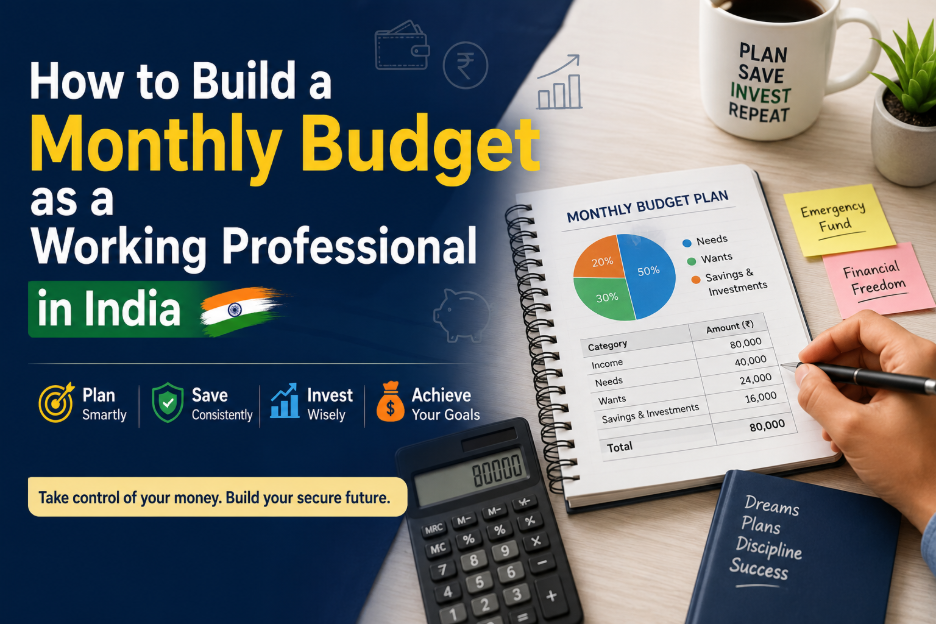
1. The 50/30/20 Rule
- 50% for needs (rent, groceries, transport)
- 30% for wants (eating out, shopping, entertainment)
- 20% for savings and debt repayment
Best for: Salaried professionals with predictable income.
2. Zero-Based Budgeting
- Every rupee is assigned a job—no idle money.
- Helps eliminate unnecessary spending.
Best for: People with fluctuating income or freelancers.
3. Pay Yourself First
- Save or invest 20–30% of your income before spending.
- Encourages disciplined wealth building.
Best for: Professionals focused on long-term financial goals.
Step 3: Categorize and Track Your Expenses
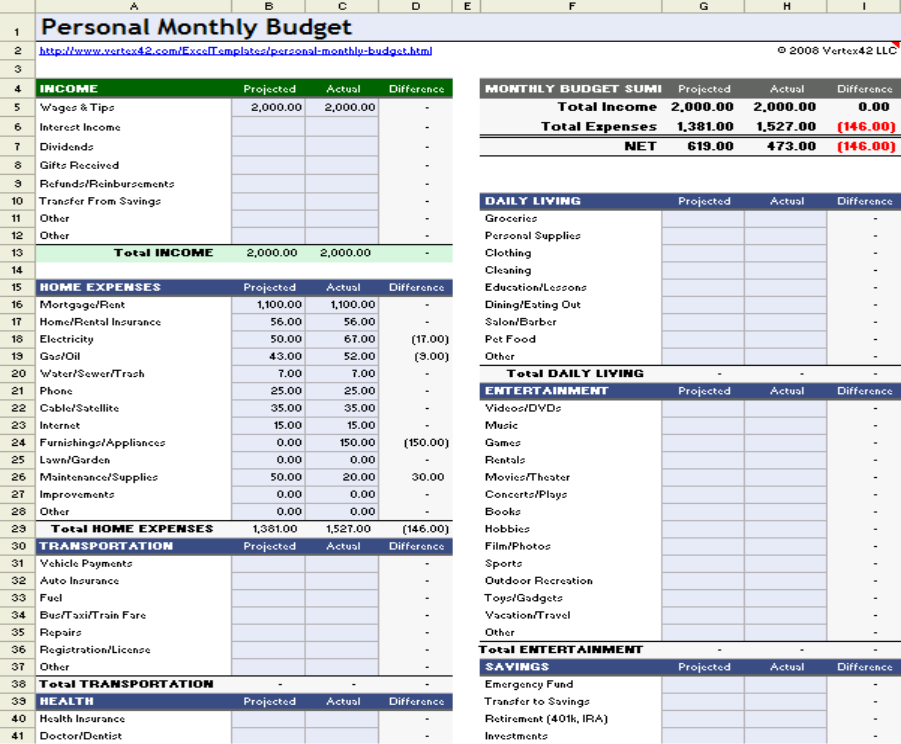
Here’s a sample breakdown for someone earning ₹75,000/month:
| Category | Suggested % | Amount (₹) |
| Rent & Utilities | 30% | ₹22,500 |
| Groceries & Essentials | 15% | ₹11,250 |
| Transportation | 10% | ₹7,500 |
| Insurance & Healthcare | 10% | ₹7,500 |
| Savings & Investments | 20% | ₹15,000 |
| Entertainment & Dining | 10% | ₹7,500 |
| Miscellaneous | 5% | ₹3,750 |
Example:
If you live in a metro city like Bengaluru or Mumbai, rent alone can take up 30–40% of your income. Adjust other categories accordingly.
Step 4: Use the Right Budgeting Tools in India
Here are some of the best budgeting apps for Indian users:
- Walnut – Tracks expenses via SMS and bank alerts.
- Money View – Offers budgeting, credit score tracking, and personal loans.
- ET Money – Great for investments, insurance, and expense tracking.
- INDmoney – Tracks net worth, investments, and expenses in one place.
Step 5: Automate and Review Regularly
- Automate SIPs (Systematic Investment Plans) for mutual funds.
- Set up auto-debits for EMIs and bills.
- Review your budget monthly to adjust for changes in income or expenses.
Pro Tip: Use UPI apps like PhonePe or Google Pay to track spending trends and set monthly limits.
Common Budgeting Mistakes to Avoid
- Ignoring irregular expenses like festivals, weddings, or travel.
- Not tracking cash transactions, which are still common in India.
- Overusing credit cards without tracking repayments.
- Failing to adjust for inflation—especially in urban areas.
Actionable Financial Tips for Indian Professionals
- Emergency Fund: Save at least 3–6 months of expenses in a liquid fund or savings account.
- Tax Planning: Use Section 80C to save up to ₹1.5 lakh annually via PPF, ELSS, or EPF.
- Invest Wisely: Diversify across mutual funds, PPF, NPS, and direct equity.
- Health Insurance: Ensure you have adequate coverage beyond your employer’s group policy.
- Retirement Planning: Start early with NPS or EPF contributions.
Conclusion: Budgeting Is the First Step to Financial Freedom
Creating a monthly budget is not about restricting your lifestyle, it’s about empowering your future. With the right tools, mindset, and discipline, you can take control of your finances, reduce stress, and achieve your goals, whether that’s buying a home, traveling, or retiring early.
Start today. Your future self will thank you.